
© Bianca Apostol
© Hans VB
© Michiel Devijver
© Jan Verlinde
© Ann De Wulf
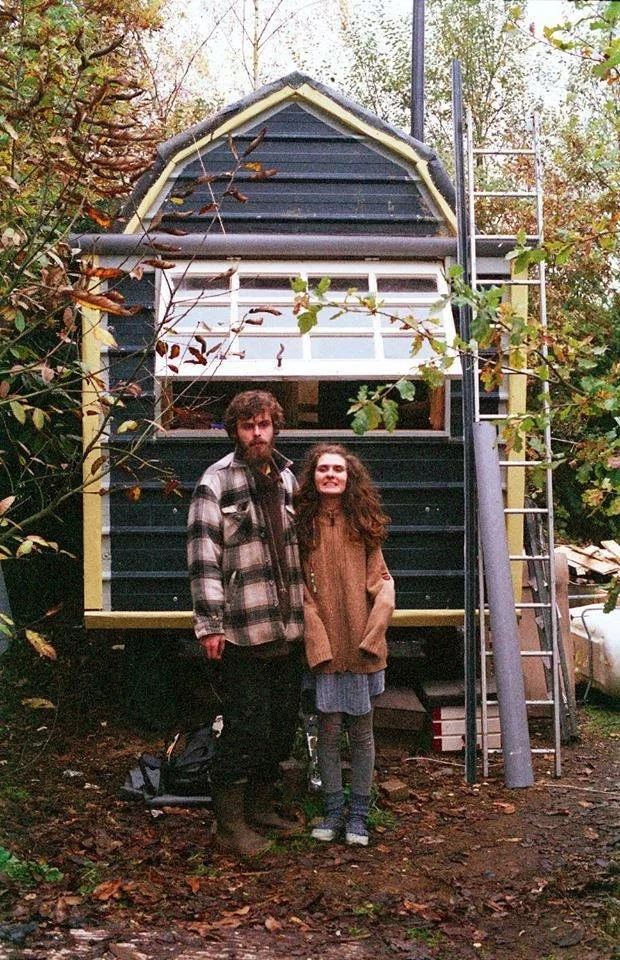
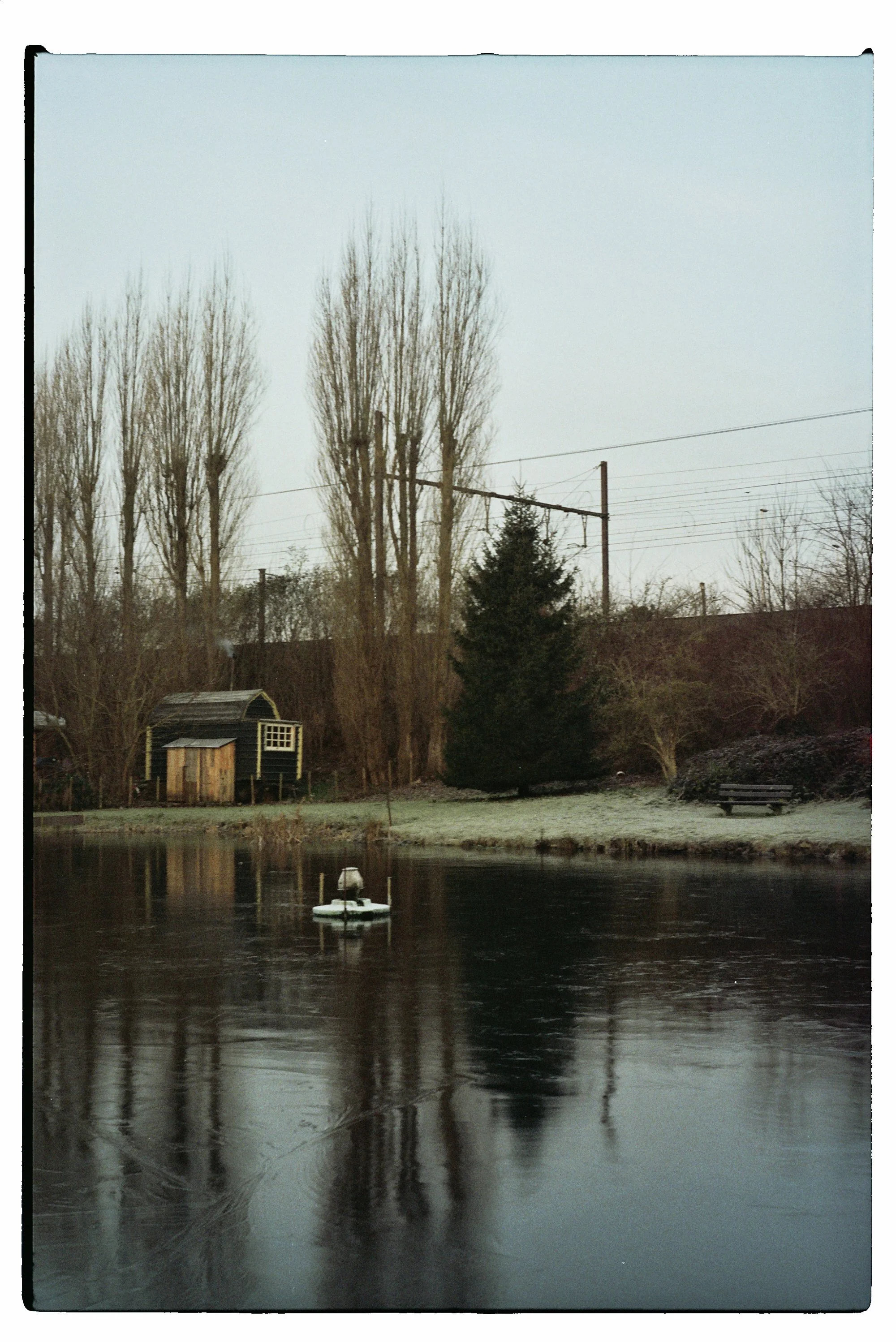
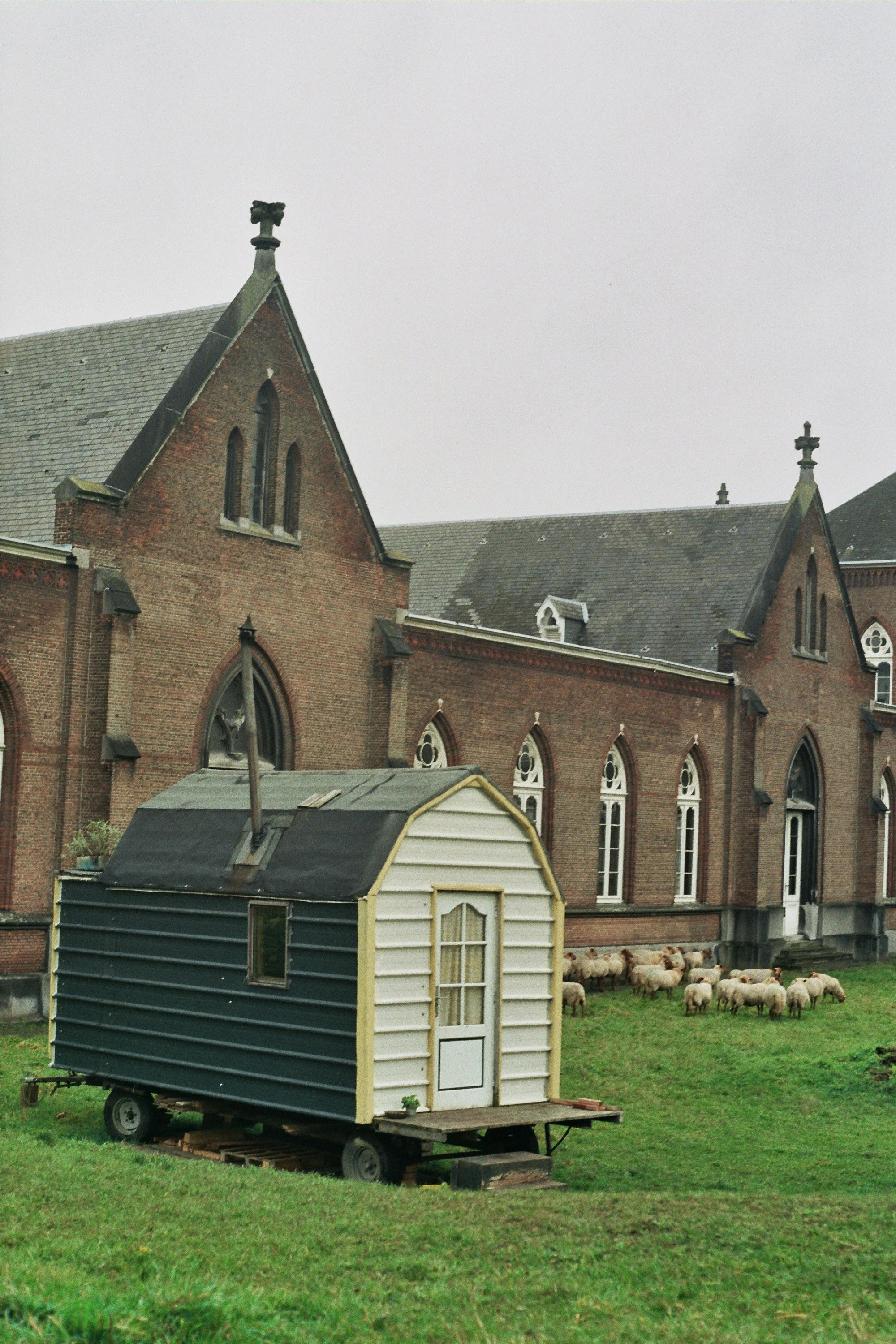
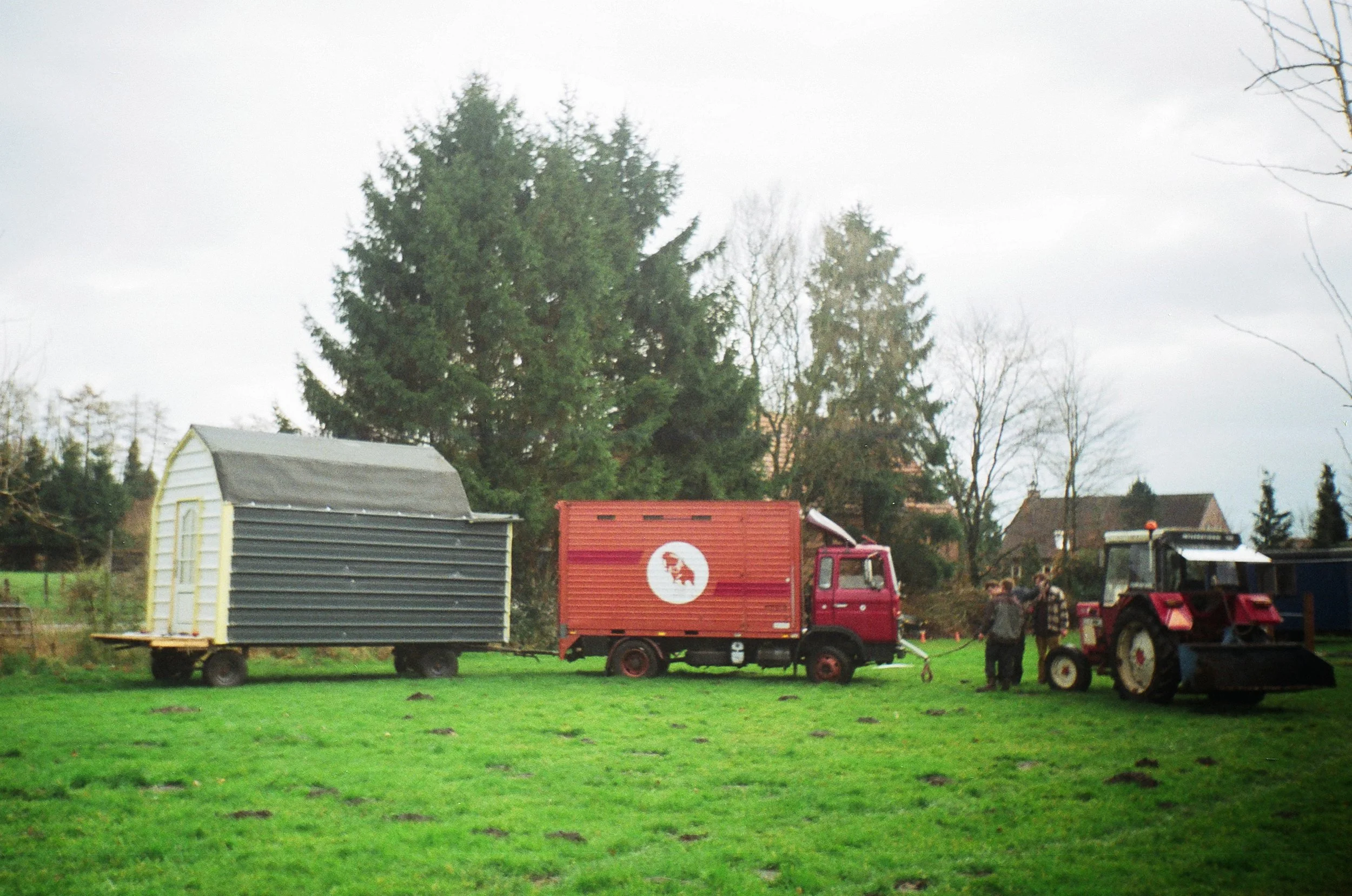
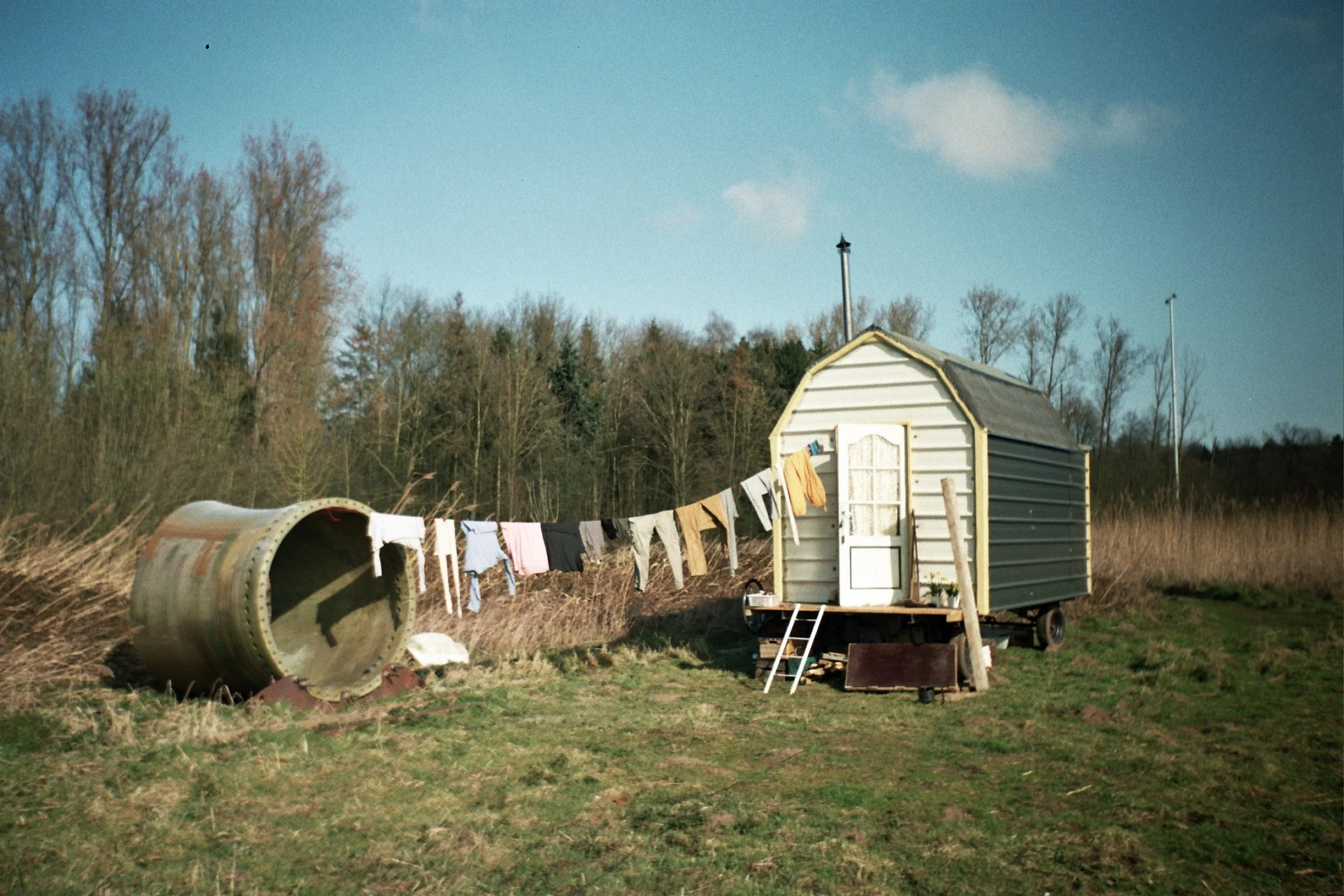
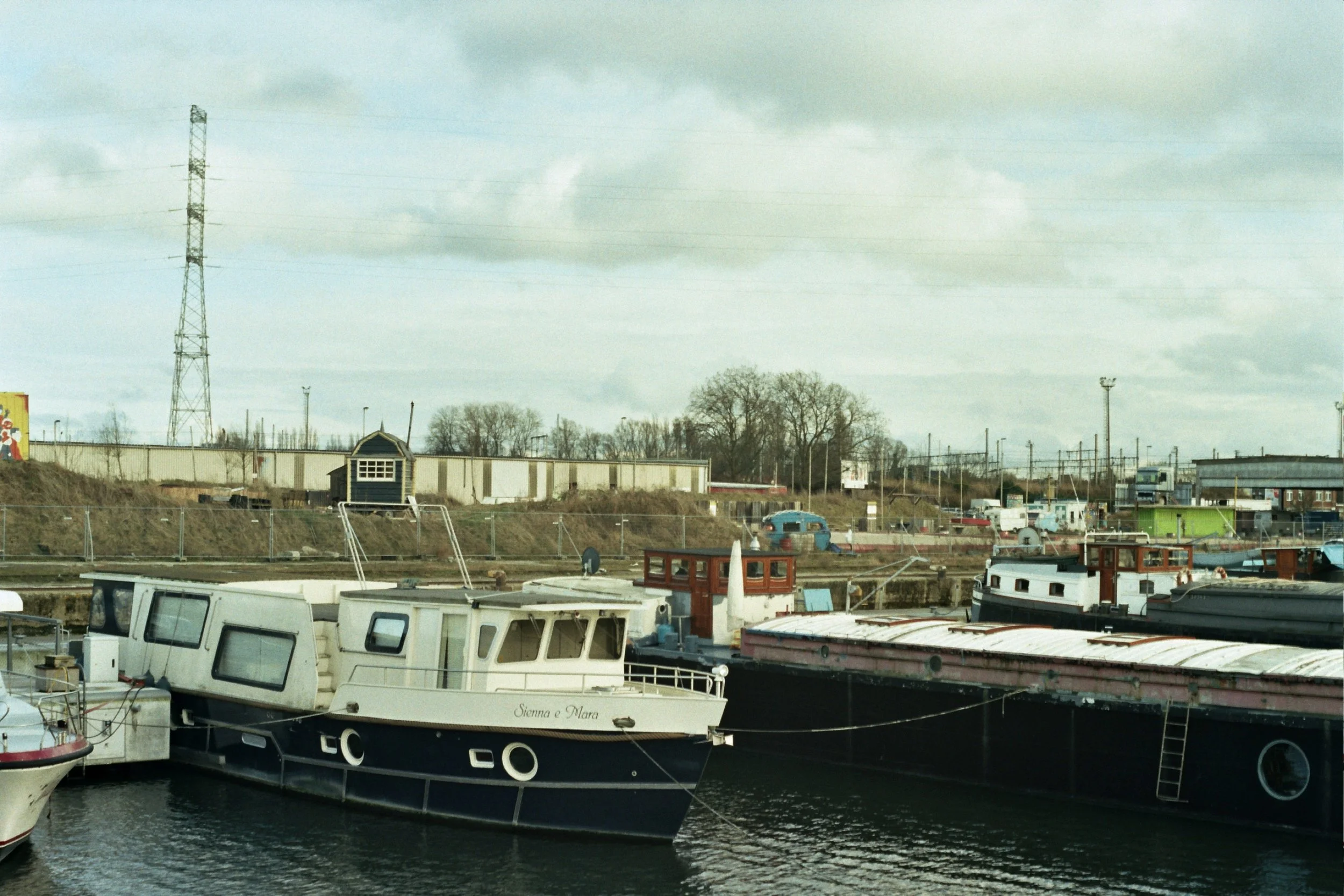
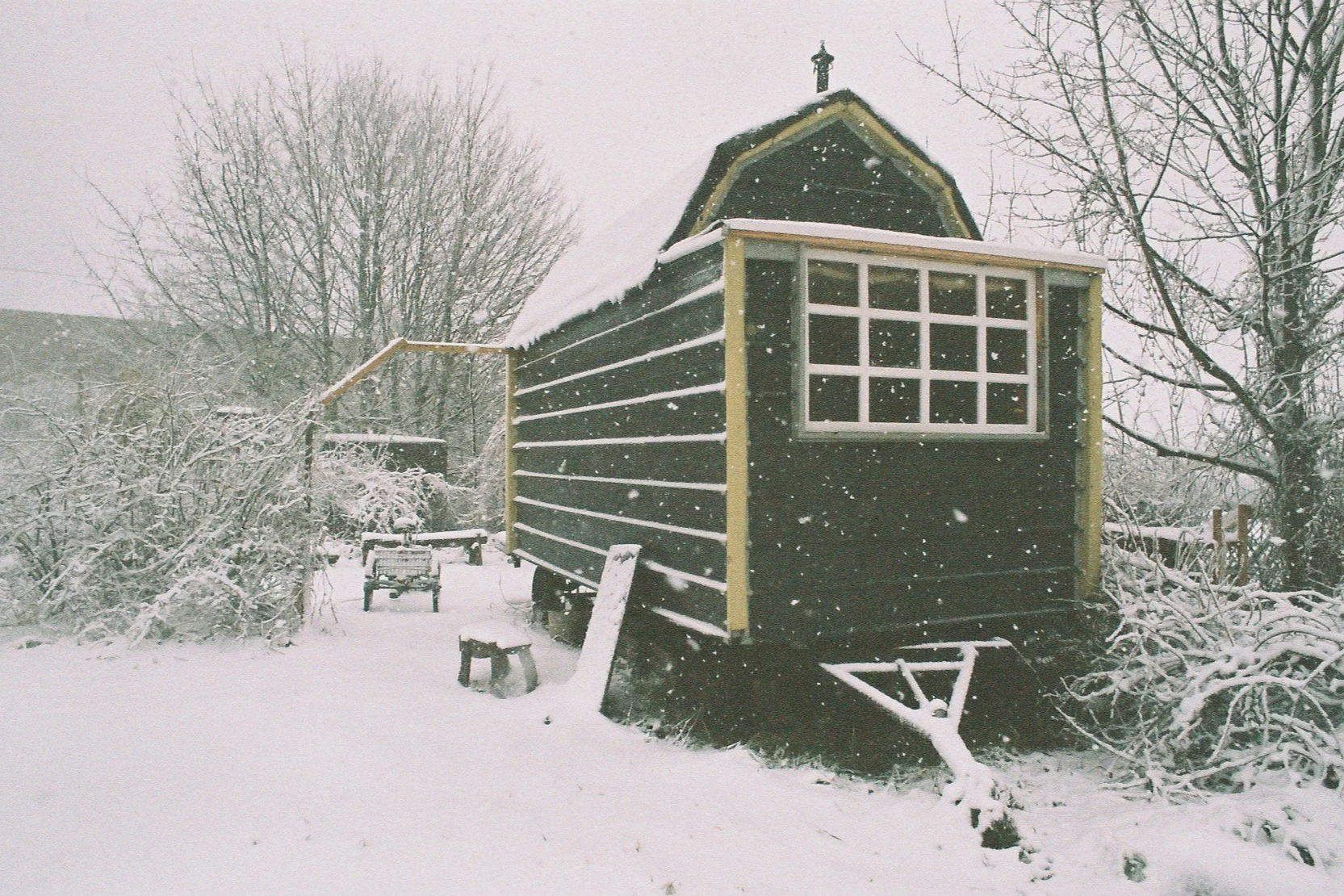
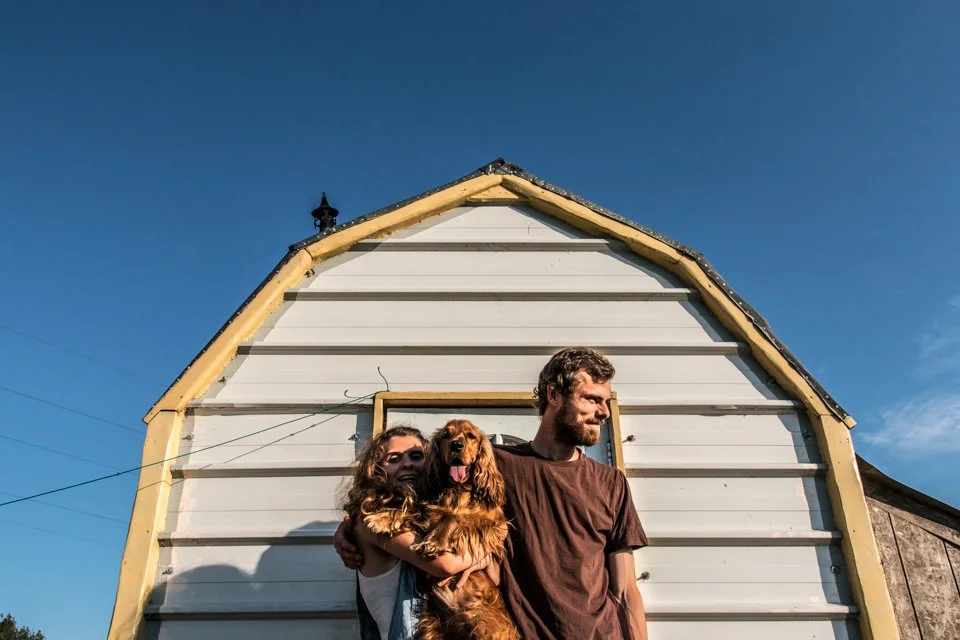
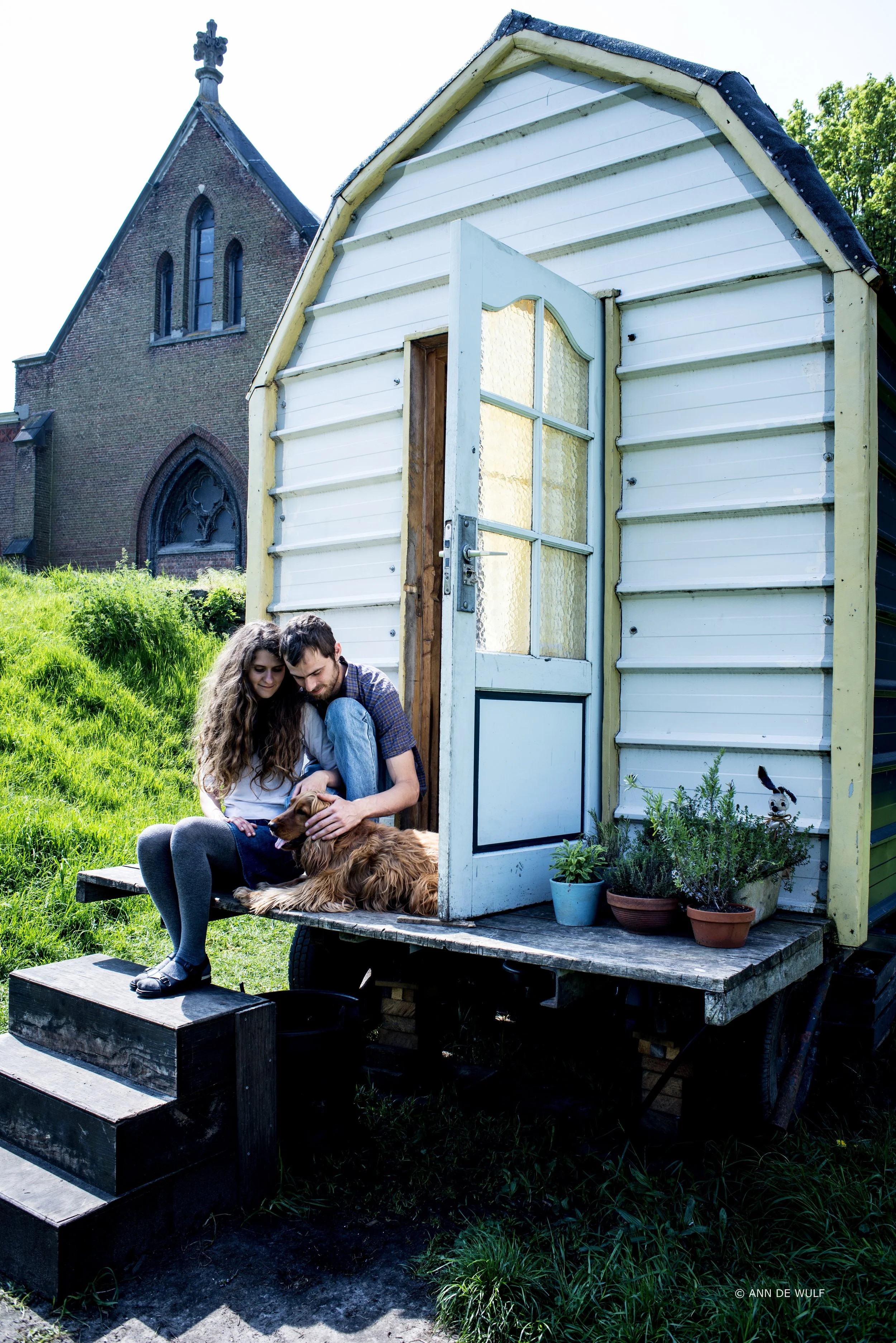
Keet was our tiny house on wheels for 7 years, between 2013-2020.
Measuring 5 m long, 2.5 m wide and 4 m high, it travelled slowly behind a tractor at 20–30 km/h.
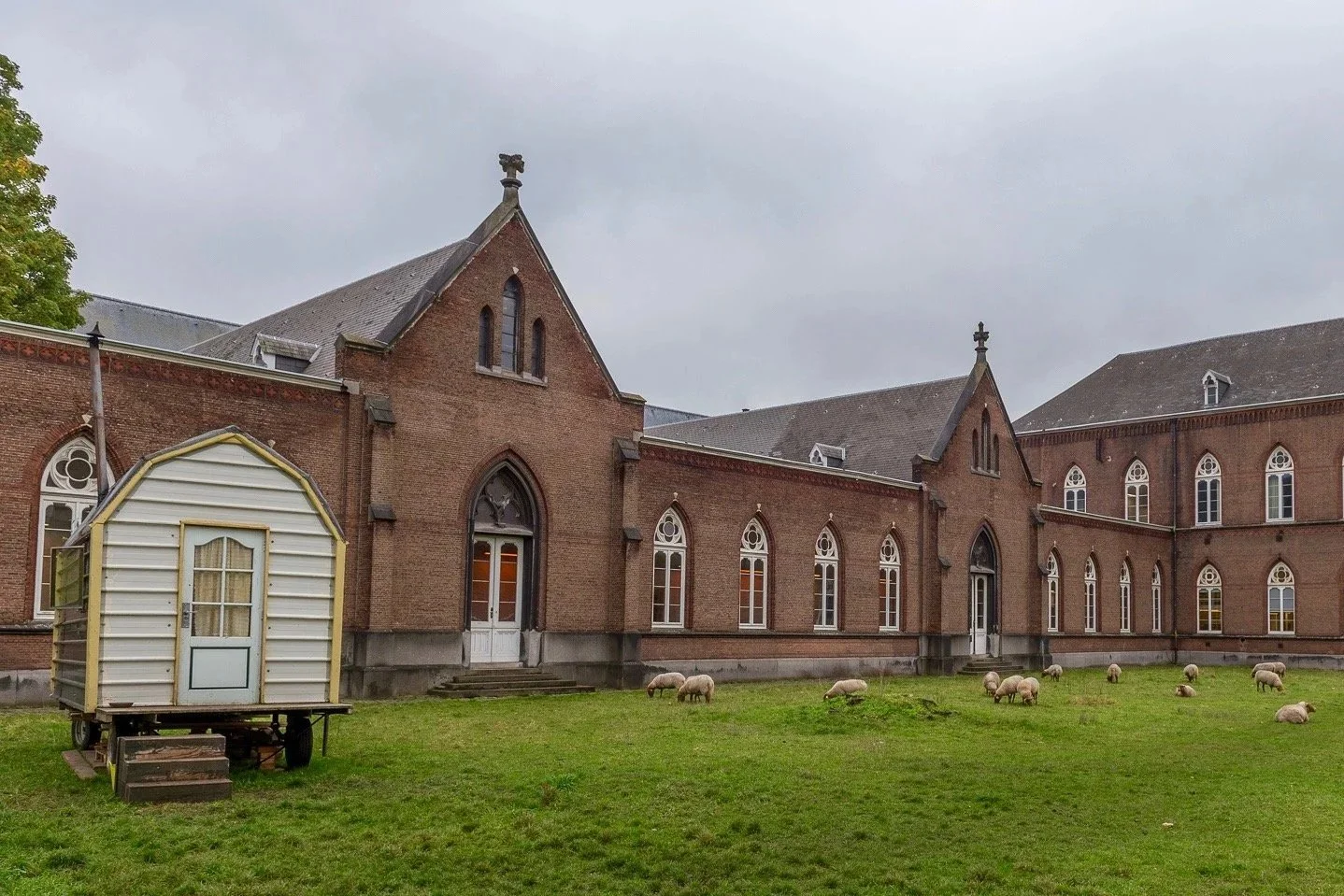
Keet was located at: Chinastraat, in the harbour of Gent (BE), Tuin van Heden, KASK, the Royal Academy of Fine Arts (Gent, BE), DOK (Gent, BE), the Verbeke Foundation (a private art museum in Kemzeke, BE), Simon and Sanne's farm in Galder (The NL), a small plot of forest in Etten-Leur (The NL) and a historical monument farm in Breda.
Parking in public and semi-public spaces opened conversations about living, housing, privacy, waste and work.
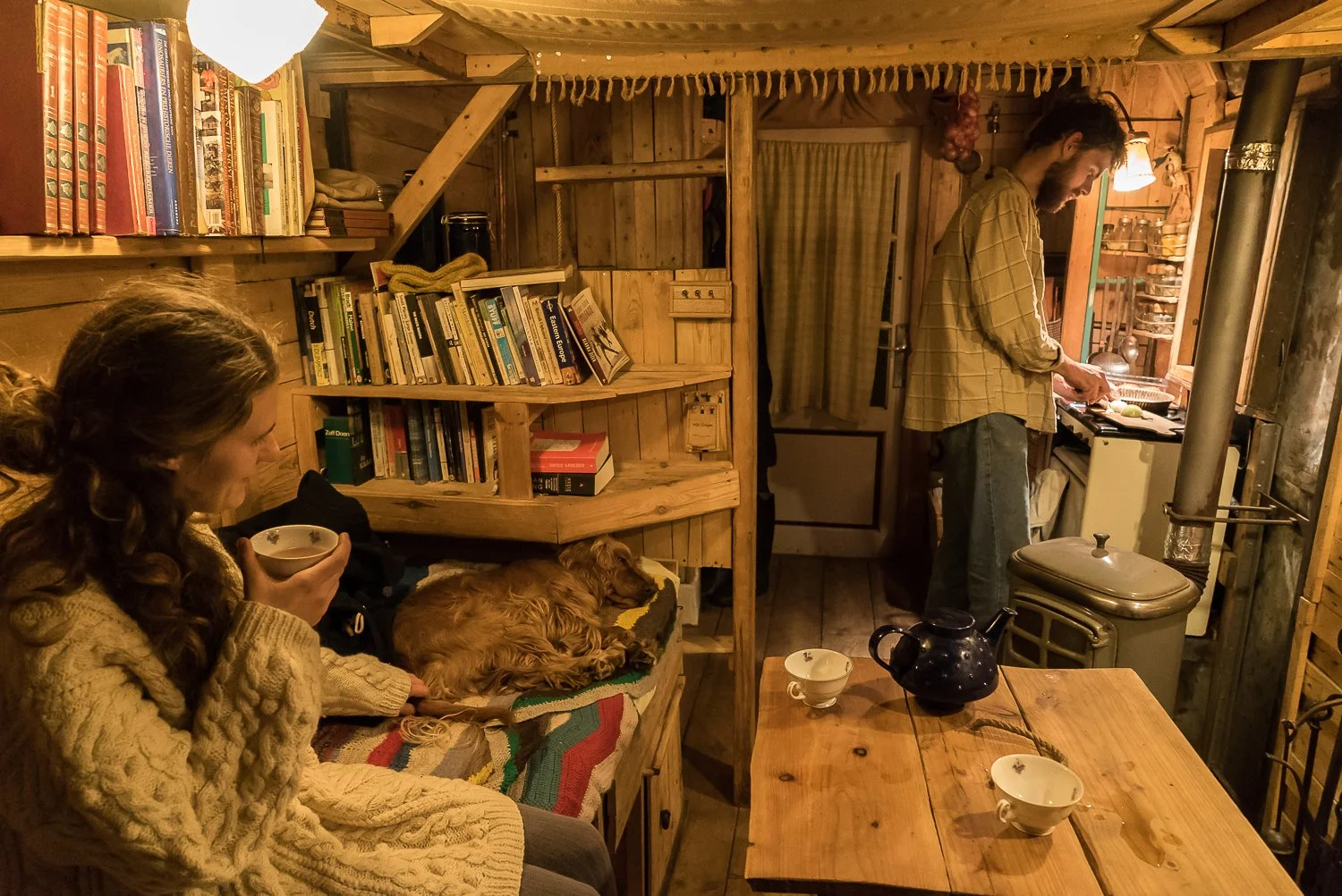
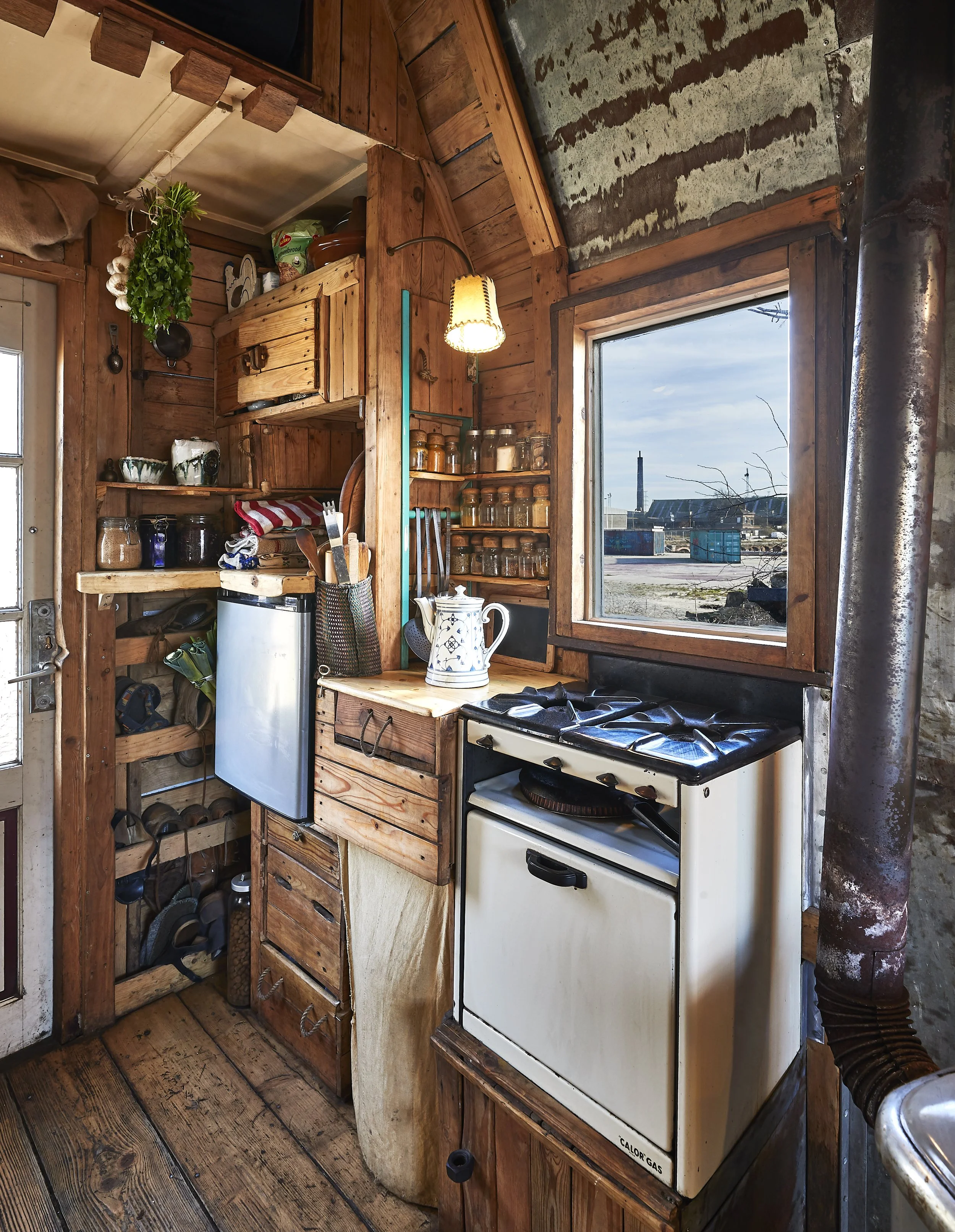
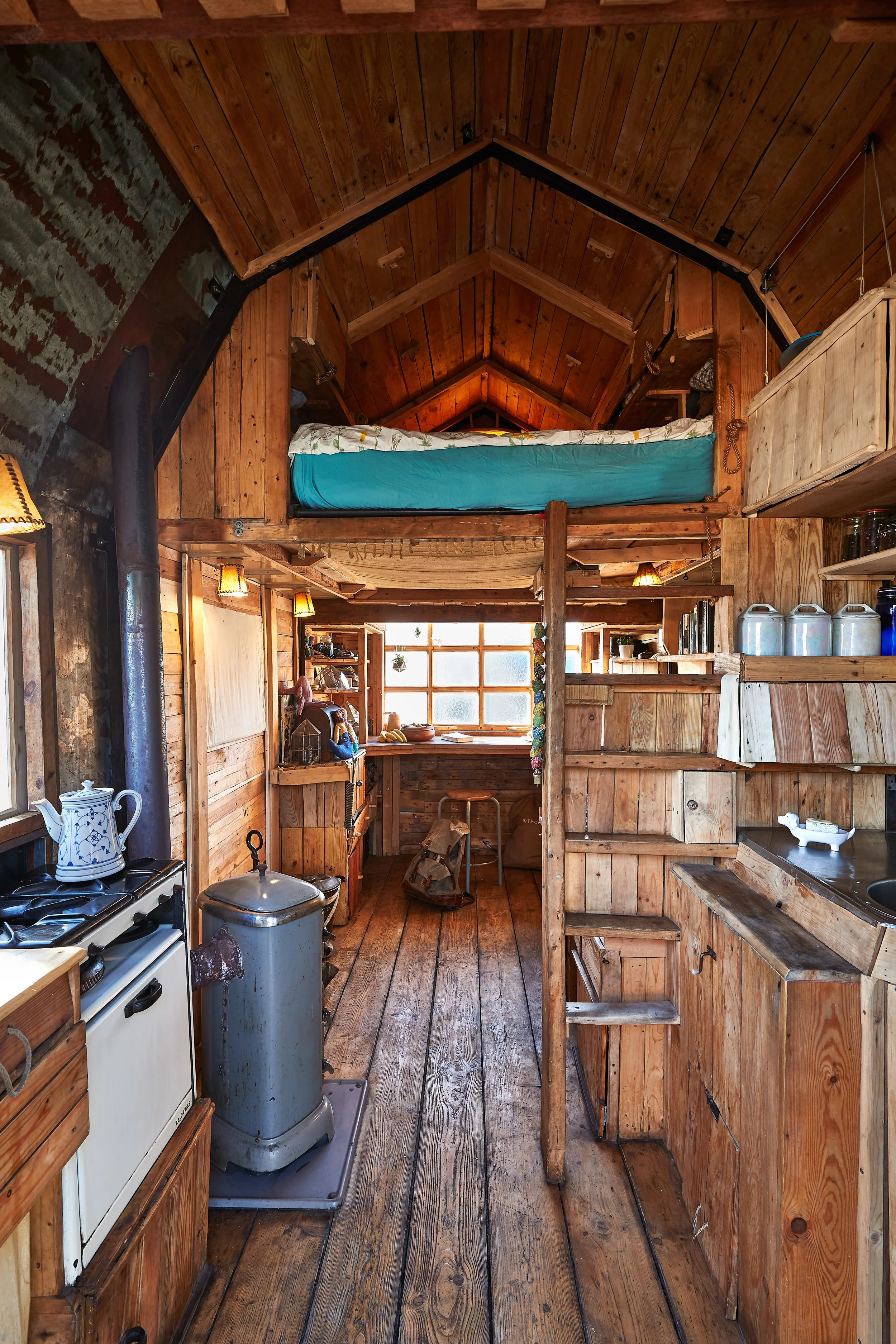
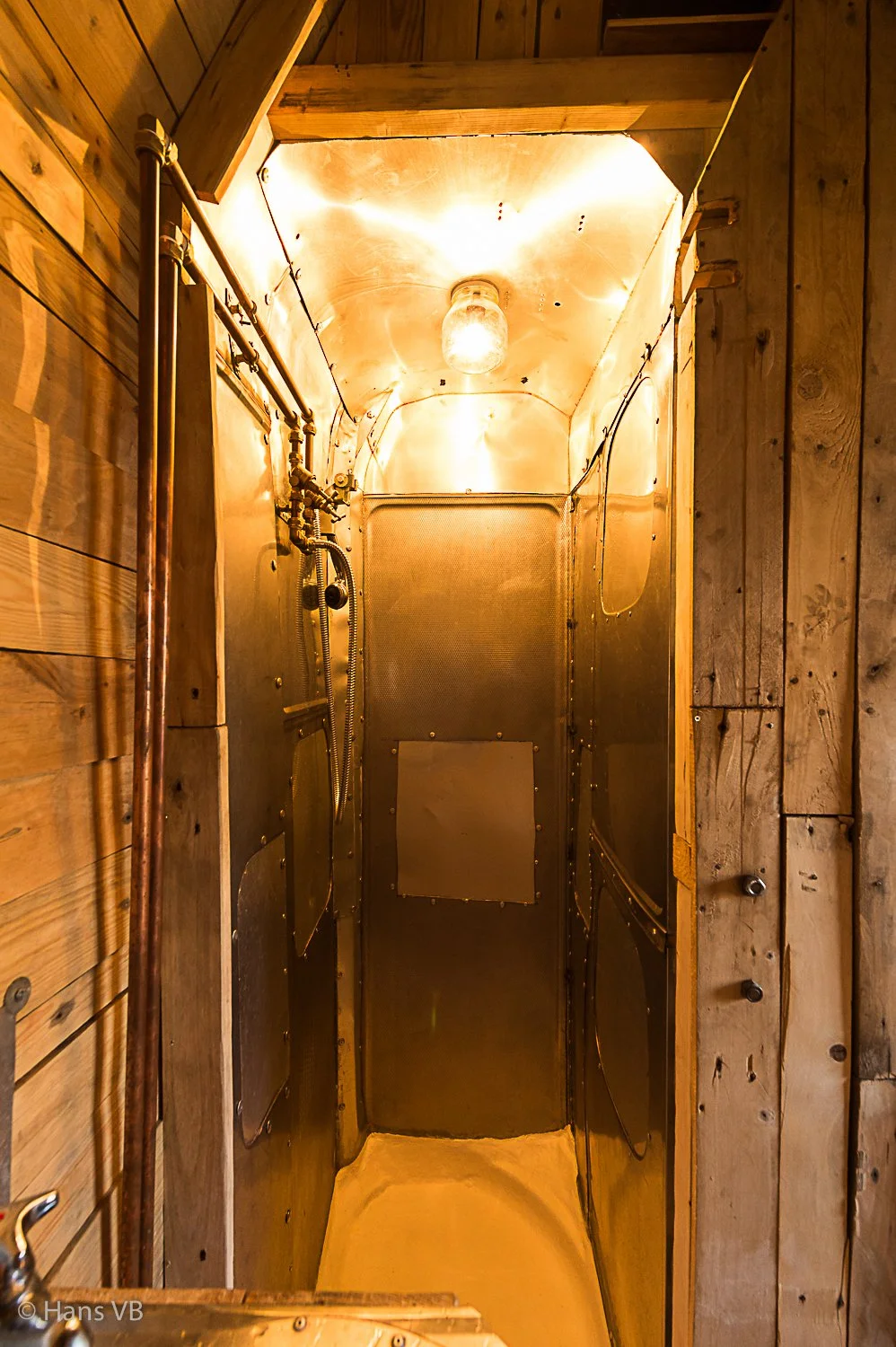
Built entirely from materials found on the street, keet contained everything needed for daily life: a double bed, clothes drawers, a wood-burning stove, desk, bookshelves, a couch, a kitchen with a gas cooker and fridge, a shower, toilet, sink, shoe cabinet and multiple storage compartments. The main challenge was living ergonomically in a small volume.
Keet was constructed through a reversed design process. We first considered a need (for example a table), then the materials at hand and only afterwards the solution. This “material prior to idea” approach felt more sustainable than consumerist design logic, where ideas dictate material consumption. Because of this process, Keet could never be replicated. It is a singular structure shaped by chance and creativity.
Most materials came directly from urban waste streams:
Predictable finds: pallet wood, discarded doors and windows, scrap timber, insulation
Unexpected finds: appliances, mattress, stove, cooker
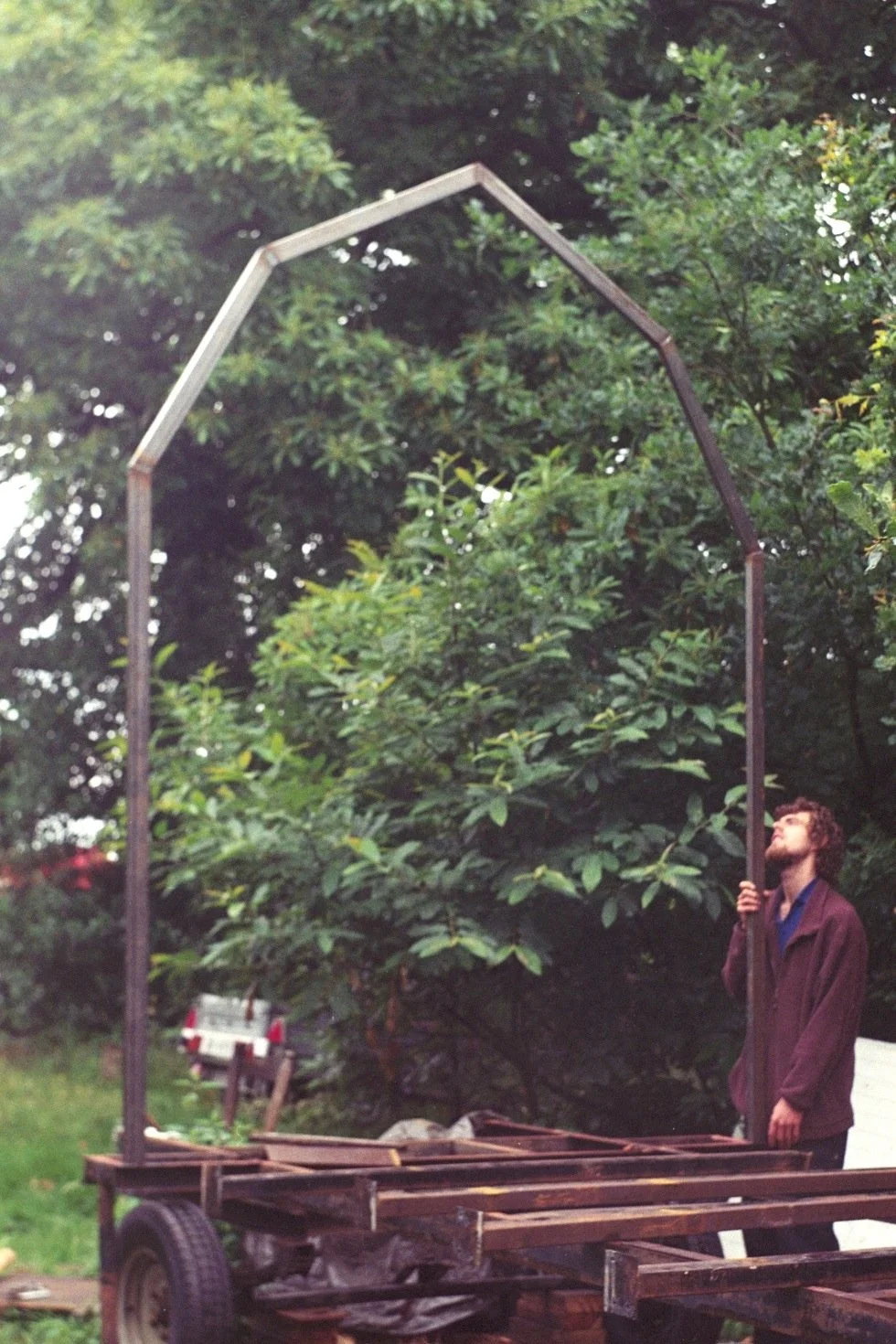
Keet’s steel base frame originated from an agricultural trailer and was reinforced with L-profiles. Small plates were welded into U-profiles for bolted connections; they supported the walls and gable roof and could potentially be reused for another structure. Sandwich panels were bolted to the frame. The floor consisted of a layer of plating, an insulated wooden frame with glass wool, and reclaimed planks on top. Windows and doors were mounted in scrap-wood posts extending from the steel base frame. The roof was finished with bitumen. Triangular elements (30–60–90 “Thales triangles”) structured the frame, providing both visual clarity and simple proportions.
Keet emerged as a response to conventional housing ideals built around materialism and conformity. In contrast, daily life in the keet required engagement: gathering wood for heating, repairing things and favouring mechanical tools over automated systems. Living in a tiny space heightened awareness of possessions, consumption, and waste. Mobility allowed us to inhabit spaces without owning land; home became where we parked.
Financially, keet cost roughly €500 to build. While economically irrational in terms of labour invested, the project was never guided by efficiency. Like art or research, its value lay in experience, learning, and meaning rather than profit. Upcycling demanded time, effort and creative adaptation, often exceeding the convenience of buying new materials. Yet this labour fostered autonomy and responsibility, embedding environmental awareness into daily habits.
Keet does not claim to solve systemic problems. Rather, its aspiration is merely to exist as a possibility beyond standard models of housing.